Elevation Color: The Impact of Color in Architectural Design
Posted By: Admin Published: 08, Nov 2025
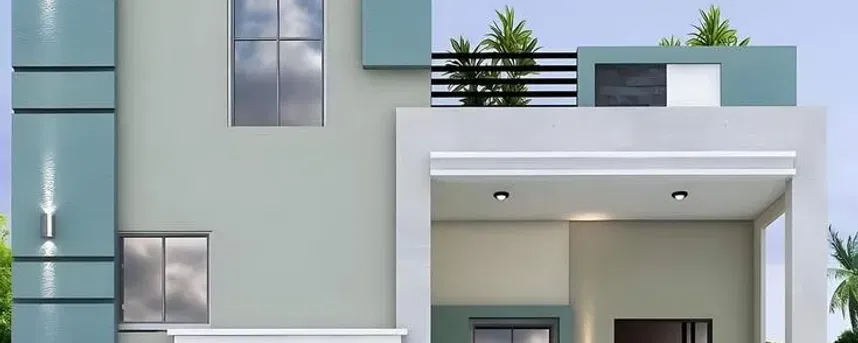
The color of a building's elevation plays a crucial role in its overall aesthetic appeal and can significantly influence how a structure is perceived in its environment. Here are some key considerations when choosing elevation colors for architectural design:
1. Aesthetic Appeal
Colors can dramatically enhance the beauty of a building's facade. Bright, vibrant hues can create a lively atmosphere, while muted tones can evoke elegance and sophistication. Consider the architectural style of the building when selecting colors to ensure harmony between design and finish.
2. Context and Environment
Evaluate the surrounding environment before deciding on colors. Buildings in urban settings may benefit from bold colors to stand out, while those in natural landscapes might blend better with earthy tones. Understanding the context helps in making informed color choices that complement the surroundings.
3. Material Selection
The type of materials used in the building can affect how colors are perceived. For instance, natural stone or wood may look different when painted versus when left in their natural state. Always consider how the chosen color will interact with the material.
4. Cultural Significance
Colors often carry cultural meanings and significance. For example, in some cultures, certain colors may symbolize prosperity, peace, or spirituality. Incorporating culturally relevant colors can enhance the connection between the building and its community.
5. Psychological Effects
Colors can evoke emotions and influence behavior. Warm colors, like reds and yellows, can create energy and warmth, while cool colors, like blues and greens, can promote calmness and tranquility. Consider the desired atmosphere when selecting colors.
6. Trends and Timelessness
While it’s tempting to follow current color trends, opting for timeless shades can ensure longevity in appeal. Neutral colors, for example, are less likely to go out of style and can adapt to changing design trends over time.
7. Sustainability Considerations
Using eco-friendly paints and finishes can contribute to sustainability goals. Additionally, lighter colors can reflect heat, improving energy efficiency in warmer climates.